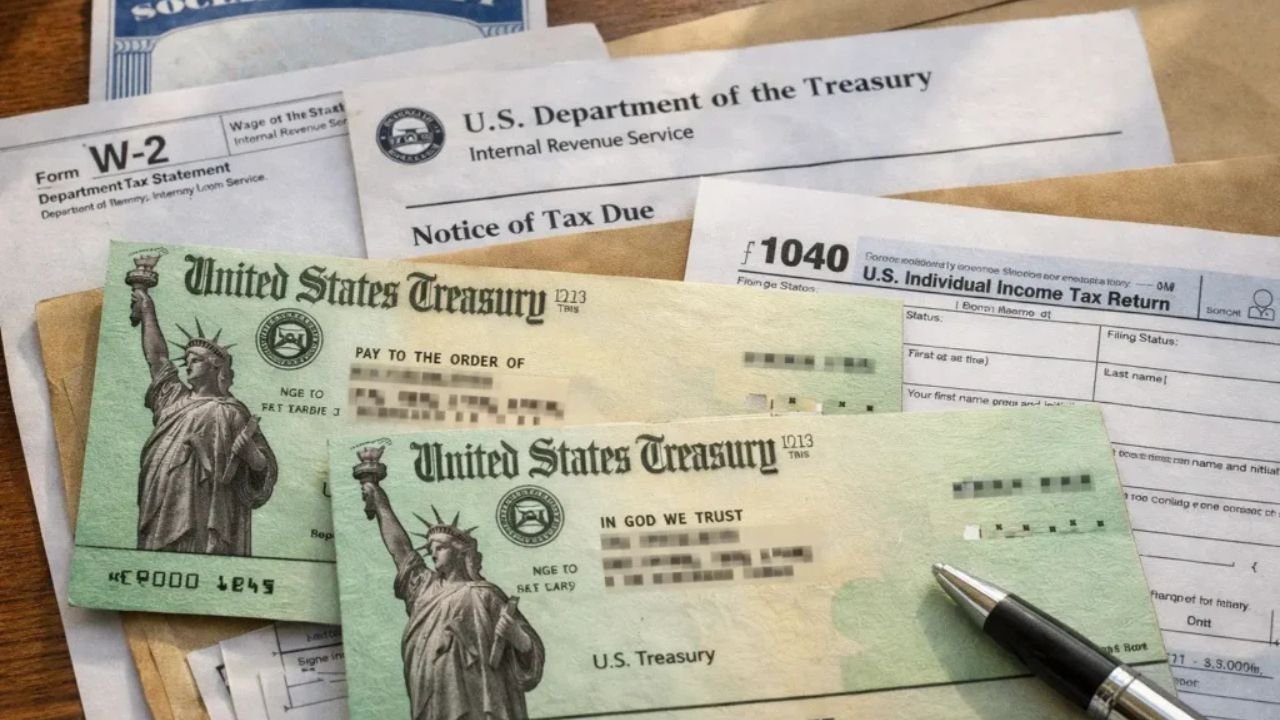
Many Americans have heard about President Donald Trump’s idea of sending $2,000 checks funded by tariff revenue. The promise of these “tariff dividends” created a lot of excitement when it was first floated in late 2025. However, as we move through 2026, people are still wondering what needs to happen for Trump’s $2,000 tariff checks to be sent. The reality is more complicated than it first appeared, involving politics, legal hurdles, and economic realities.
Introduction to Trump’s Tariff Dividend Proposal
The idea started gaining attention when President Trump suggested using money collected from tariffs on imported goods to give direct payments back to American families. He described it as a way to help middle and lower-income households deal with living costs while using revenue from trade policies. Trump mentioned payments could begin sometime in 2026, possibly before the midterm elections. Many people liked the sound of extra money coming directly to their bank accounts without it being traditional stimulus from taxes.
Yet, turning this promise into actual checks has proven difficult. Several major obstacles stand in the way, and understanding them helps explain why the payments have not started yet.
Overview of the Tariff Checks Idea
Trump’s plan was to share some of the government’s tariff revenue as dividends. He talked about giving at least $2,000 per person to most Americans, excluding higher-income households. The goal was to show that tariffs could benefit everyday people instead of just raising prices on goods.
Early on, Trump and some advisors suggested these checks might not even need full Congressional approval. However, experts quickly pointed out that spending large amounts of federal money almost always requires legislation. Tariff revenue goes into the general fund, meaning Congress controls how it gets used. Without clear steps forward, the proposal has remained more of an idea than a working program.
Major Hurdles Blocking the Payments
The biggest issue came in February 2026 when the Supreme Court ruled against parts of the administration’s tariff policies. The court found that many of the broad tariffs were implemented without proper authority. This decision led to billions in refunds being issued mainly to businesses and importers rather than individual citizens.
Because tariff revenue projections dropped after the ruling, funding a massive $2,000 per person program became even harder. Economists estimate that sending $2,000 to most Americans would cost hundreds of billions of dollars, far more than current tariff income could easily support after refunds and other priorities.
What Needs to Happen for Checks to Be Sent
For Trump’s $2,000 tariff checks to actually reach people, several key things would need to line up. First, Congress would almost certainly need to pass specific legislation authorizing the payments. This bill would have to define who qualifies, how much each person gets, and where the funding comes from.
Second, lawmakers would need to agree on the details and pass it through both the House and Senate. Given divided opinions on tariffs and spending, building enough support has been challenging. Some Republicans like the idea of returning money to voters, but concerns about inflation, the national debt, and budget priorities have slowed progress.
Third, the administration would need to work with the IRS or another agency to set up distribution. This includes creating eligibility rules, updating systems, and handling the massive logistics of sending payments to millions of households. Past stimulus checks showed this process can take months even after approval.
Finally, sufficient tariff revenue would need to be available after other obligations. With refunds going out to companies and legal challenges continuing, generating the necessary funds remains uncertain.
Current Status in 2026
As of now, no formal bill has passed Congress to make these $2,000 payments a reality. While Trump has continued talking about the idea, and some lawmakers have introduced related proposals, nothing has moved far enough to set a payment date. Businesses have started receiving tariff refunds ordered by the courts, but individual Americans have not seen similar direct help from this plan.
Experts say the odds of broad $2,000 checks being sent appear low without major changes in political support and revenue collection. Some states have pushed their own ideas for refunds, but these are limited and not connected to the federal proposal.
Potential Impact If It Moves Forward
If the necessary steps are taken and checks are approved, it could provide meaningful relief for many families. The payments would likely target middle and lower-income households, similar to previous stimulus efforts. However, economists warn that large spending like this could affect inflation or require cuts elsewhere in the budget.
Supporters argue it would return money directly to the people who face higher costs from trade policies. Critics point out that tariffs themselves raise prices on many everyday items, so the net benefit might be smaller than it seems.
Why Progress Has Been Slow
Politics plays a big role here. Passing major spending bills takes time, negotiation, and compromise. The Supreme Court decision added unexpected complications by reducing available revenue. On top of that, focusing on debt reduction and other priorities has competed with the dividend idea.
Many people following the news have grown skeptical after seeing similar promises in the past not fully materialize. Scams pretending to offer early access to these checks have also appeared, reminding everyone to rely only on official government sources.
Conclusion
So, what needs to happen for Trump’s $2,000 tariff checks to be sent? In simple terms, Congress would need to pass authorizing legislation, resolve funding questions after court rulings, and set up a practical distribution system. While the idea remains popular with some, these steps have not been completed, making the payments uncertain in the near term.
Americans hoping for these checks should stay informed through official channels like White House or IRS updates rather than social media rumors. The concept of sharing tariff benefits is interesting, but turning it into actual money in people’s accounts requires significant work that is still ongoing. Whether it happens in 2026 or beyond will depend on how lawmakers and the administration handle these challenges in the coming months.